Siamese Mahjong and variants for 2 player mahjong
The essential takeaway: Siamese Mahjong enables a competitive two-player format using two racks per person to manage two simultaneous hands. This variation eliminates the Charleston phase for faster gameplay and better strategic training. Players receive 28 tiles initially, aiming for a double victory. Managing 152 tiles alone increases defensive stakes and accelerates mastery of the National Mah Jongg League card.
Traditional four-player setups are no longer the only way to enjoy this tile game as Siamese mahjong and variants for 2 player mahjong gain rapid popularity in American circles. We provide this guide to help you master the mechanics of managing two hands and two racks simultaneously. You will learn the specific mahjong rules for setup, scoring, and tactical defense required for this fast-paced one-on-one variant.
- Siamese Mahjong as the Primary Two-Player Format
- Hardware and Initial Table Setup
- Operational Rules for Two-Player Sessions
- Tactical Shifts in One-on-One Matches
Siamese Mahjong and Variants for 2 Player Mahjong: The Primary Format
While many think you need a full table, playing with just one partner is actually a fast-paced thrill, often centered around a specific variant called Siamese Mahjong that serves as excellent mahjong for beginners.
Defining the Siamese variation
Siamese Mahjong is the premier competitive 2-player adaptation. This version is played one-on-one. Its popularity is rising quickly in American circles, distinguishing itself from Chinese mahjong traditions.
The setup uses two racks per person. You must build two winning hands simultaneously. Players draw and discard like the 4-player version. This creates a significant mental challenge.
This is no "lite" version. Mahjong can be adapted for two players or teams effectively. It remains a full-fledged strategic battle.
Benefits of dual-hand gameplay
The primary focus is increased speed. With only two people, the game moves much faster. There is zero waiting time between turns.
Managing two hands forces quick pattern recognition. This helps beginners learn the National Mah Jongg League card. It builds a deeper understanding of strategies.
The setup skips the traditional Charleston phase. This saves significant time. You can play more games in a single sitting and enjoy more mah jongg sessions.
Siamese Mahjong removes the slow Charleston phase, allowing players to jump straight into the action and finish games in record time.
Hardware and Initial Table Setup
You must adjust your physical environment to accommodate the double-hand mechanics of the two-player game before you start drawing tiles.
Required racks and American tiles
You need specific hardware for Siamese Mahjong. Each player uses two racks for their simultaneous hands. You must place four racks on the table total.
A standard American set from quality mahjong sets is mandatory for this variant. It must contain all 152 tiles, including Jokers. Ensure every tile is clean and present before starting.
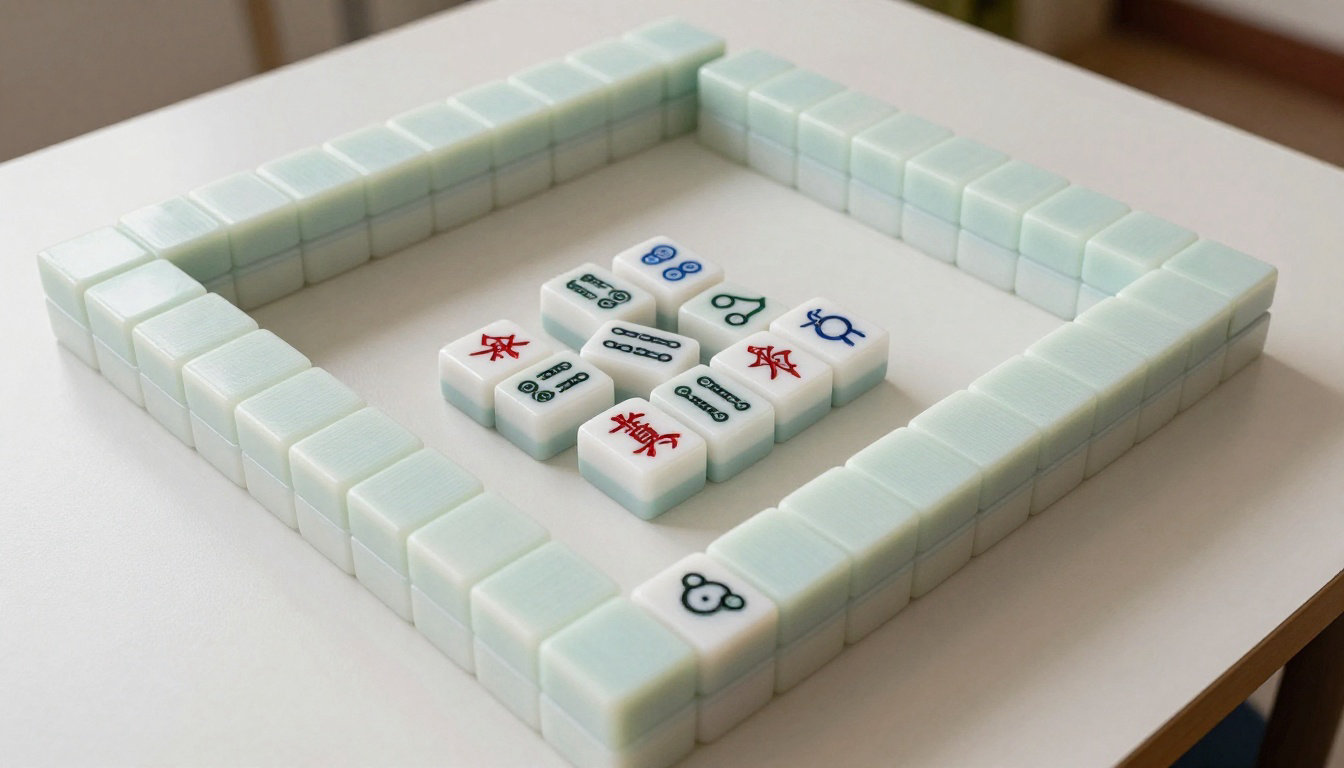
Pushers are vital tools from mahjong accessories for managing these long rows. They keep your double racks organized during intense play. Professional setups always include them for better tile visibility.
- Standard American Mahjong set (152 tiles)
- Four racks (two per player)
- Pushers for tile management
- Current NMJL card
Wall construction and tile distribution
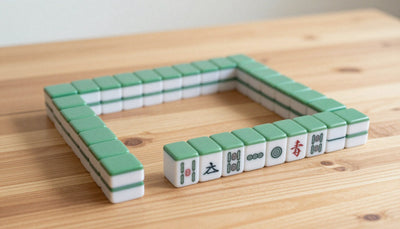
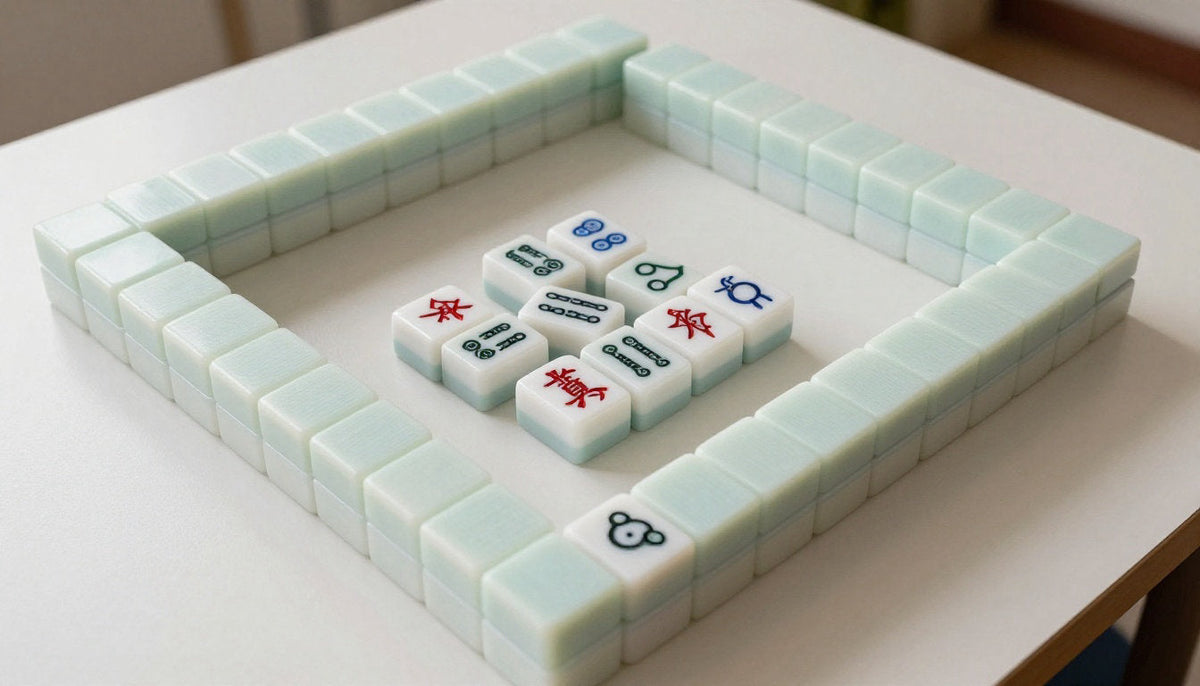
Players build two parallel walls instead of a square. Each person creates a long row containing half of the tiles. This layout simplifies the drawing process for two people.
The initial deal gives each player 28 tiles. You must distribute these across your two racks immediately. Sorting your two hands begins right after the deal is complete.
The double rack system helps separate your two hands. Most players organize one distinct hand per rack to prevent confusion.
Operational Rules for Two-Player Sessions
Once the tiles are out, the rhythm changes slightly from the traditional four-person flow you might be used to.
Managing the draw and discard cycle
Players take turns pulling from the active wall. You must draw tiles to build two hands simultaneously. This cycle is rapid and requires constant focus.
The dead wall remains untouched. When tiles run low, the game ends if no one wins. This creates late-game tension.
Discarding remains standard. Tiles go to the center pool.
Scoring and winning conditions
You can declare Mahjong with your first hand and keep playing. The second hand completes the total victory. This is how What is 2-Player Mahjong Called? Siamese & Other Variants operates.
Points or money are exchanged based on one or two wins. Double wins usually pay extra. We use these values to settle the match.
Incorrect calls result in a penalty. A dead hand penalty applies to the specific rack involved.
| Scenario | Winner Outcome | Opponent Penalty | Recommended Action |
|---|---|---|---|
| Single Mahjong | Standard Payout | Rack remains active | Secure exposed Jokers |
| Double Mahjong | Double Payout | Full payment due | Claim final discard |
| False Mahjong Call | No payout | Dead hand penalty | Verify card patterns |
| Dead Wall Draw | No winner | No exchange | Shift to defensive play |
Joker exchange and exposure rules
You can swap Jokers from your own exposures or the opponent's. This is a vital part of the strategy. It helps you complete sets faster.
Some hands on the card don't allow Jokers. You must track this across both racks. Check the NMJL 2026 card for restrictions.
Handling exposures is tricky. You must clearly state which hand is claiming a discard.
Tactical Shifts in One-on-One Matches
Beyond the basic rules, winning at two-player Mahjong requires a total shift in how you view your tiles and your opponent.
Strategy for dual-hand management
Balance your needs across both racks. Do not starve one hand to feed the second. Keep both options viable to maximize your winning chances during the session.
Abandon a hand if it becomes blocked. Pivot immediately to a defensive stance. Focus on securing the win on your second rack instead of forcing a dead end.
Track opponent exposures across their four racks. Use this increased information to guess their needs. Watch discards closely, as informal rule interpretations in 2-player games make the match much more intimate.
Optimizing game pace and focus
Maintain a quick flow during the match. Keep discards moving without overthinking every single turn. Rapid-fire exchanges define the 2-player experience. Use a timer to increase competitive pressure.
Reduce downtime by sorting tiles during the opponent's turn. Anticipate your next move while they draw. This habit keeps the energy high and the game progressing efficiently.
Adopt a strict defensive style when necessary. You are the only person capable of stopping your opponent. Defensive discarding is critical because no other players can block them.
In a one-on-one match, you are the sole line of defense, making every discard a high-stakes decision that can end the game instantly.
Siamese Mahjong offers a fast-paced, dual-hand challenge that eliminates the Charleston for immediate action. Master these 2-player Mahjong variants to accelerate your strategic training and NMJL card memorization. Start your first match now to experience rapid-fire gameplay and double the victories.
Common questions
What is the official name for two-player Mahjong?
How does Siamese Mahjong differ from the standard game?
Is playing with only two people good for beginners?
What is the primary goal in a Siamese Mahjong match?