Mastering 2 player mahjong: Essential rules and setup
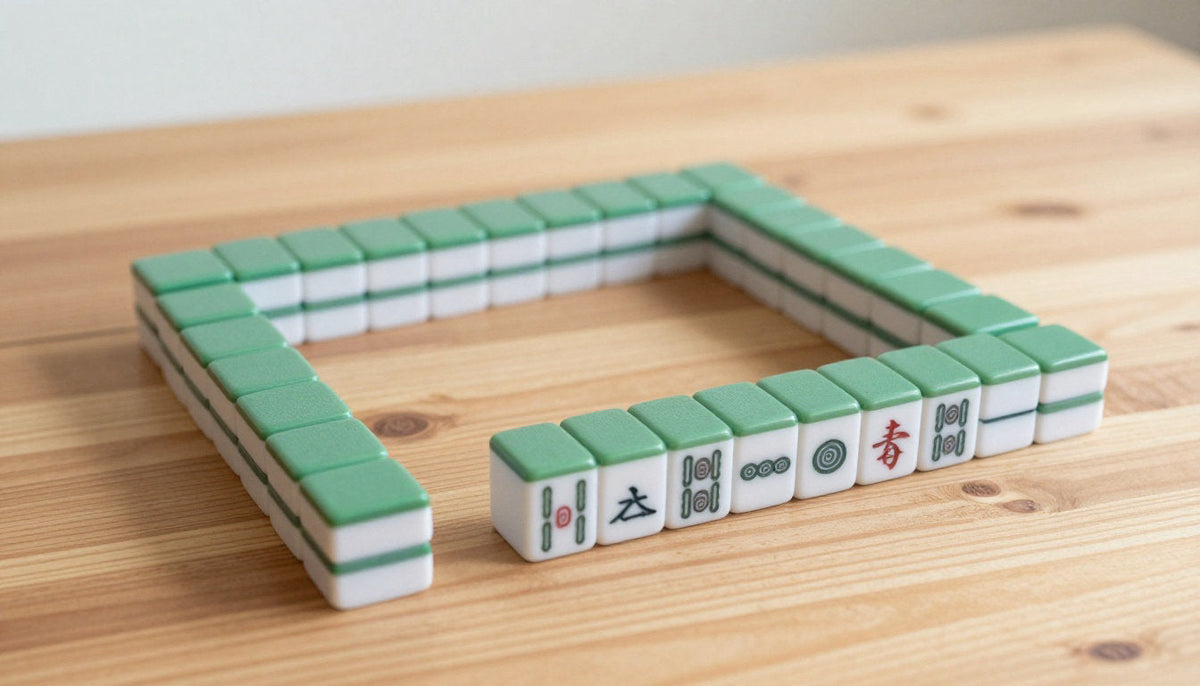
The essential takeaway: Adapting Mahjong for two players requires reducing the wall to 68 tiles and using 13-tile hands to maintain strategic depth. This setup enables direct tactical duels and faster gameplay by focusing on one opponent. A key differentiator is the "dual-hand" variant, where each participant manages two separate hands to simulate a full four-player environment.
Traditional four player sessions are increasingly being adapted for intimate duels due to changing social habits. When mastering 2 player mahjong, you'll discover that this tile game requires modified rules and wall building techniques. You will master the specific adjustments needed to maintain tactical depth while competing in a direct face to face format, making it perfect for mahjong for beginners who want to learn with just one partner.
- Mastering 2 Player Mahjong: Basic Equipment
- Modified Dealing And Tile Distribution
- Tactical Gameplay And Drawing Mechanics
- Scoring Systems And Fast Variations
Mastering 2 Player Mahjong: Basic Equipment
Adapting Mahjong for two players is perfectly doable with the right gear. While traditionally a four-player game, you only need a few adjustments to enjoy a dual session effectively.
Required Gear For Dual Sessions
Racks and pushers are necessary for organizing tiles. These mahjong accessories keep your strategy hidden from your opponent. They also help maintain a clean playing surface during fast-paced exchanges.
Physical tiles should be made of melamine for maximum durability. A standard Mahjong set usually contains 144 tiles, including suits and honors. Quality mahjong sets ensure the set lasts through many sessions of this engaging Chinese mahjong variant.
A specialized mat is also important. It protects the table and muffles the sound of shuffling. This creates a professional atmosphere for your game.
- Racks for tile organization
- Pushers for wall movement
- Durable melamine tiles
- Protective table mat
Wall Building And Table Layout
Sit opposite each other to begin. Only two walls are built instead of four. This keeps the table manageable and focuses the action between the two active participants.
Each player builds a wall 18 tiles long and two high. This uses the full set efficiently for two people. It ensures the drawing pile remains substantial throughout the game.
A simple dice roll decides who starts the session. The dealer always acts first in the rotation. This established method ensures a fair start for both players involved.
Modified Dealing And Tile Distribution
Once the walls are ready, the focus shifts to getting the right number of tiles into each player's hand.
Initial Tile Counts Per Person
The standard hand size remains consistent with traditional play. The non-dealer receives 13 tiles to start the round. This mirroring of the four-player setup maintains strategic familiarity for experienced participants.
The dealer receives a slight immediate advantage. They take 14 tiles during the initial distribution phase. This allows the dealer to discard first, effectively launching the active gameplay loop for both players.
The dealer starts with 14 tiles and makes the first discard, setting the pace for the entire strategic duel.
Players work toward a specific hand configuration to win. The primary goal is to form four combinations and a pair. This structure is the universal requirement for declaring a Mahjong victory according to standard mahjong rules.
Joker Handling And Exchange Rules
Jokers serve as wild cards in two-player variants. These tiles offer high flexibility for completing sets. Their inclusion helps players finish difficult combinations much faster than in games using only natural tiles.
Players may opt for a "Charleston" or exchange phase before play. If both parties agree, they swap unwanted tiles from their hands. This optional step significantly improves the quality of starting hands for a tighter game.
Tactical depth increases with wall swapping rules. If you hold the natural tile a Joker represents, you can swap it during your turn. This maneuver allows you to reclaim the Joker for use in other combinations.
Tactical Gameplay And Drawing Mechanics
Transition: With hands dealt, the real battle of wits begins through drawing and discarding.
Managing Two Hands Simultaneously
In this variant, you manage two hands of 13 tiles. This simulates a four-player environment. It increases complexity significantly. You must track two strategies simultaneously.
You alternate between hands each turn. This prevents the game from becoming simple. It requires a constant switch in focus.
A player wins if either hand hits Mahjong. The other hand remains active. The round continues until specific conditions are met.
Drawing From The Wall And Discarding
Draw a tile, then discard one. This keeps your hand size constant. It ensures the game progresses steadily.
You may claim discards for Pongs. A Pong consists of three identical tiles. Be careful not to feed your opponent.
If the wall runs out, it is a draw. No points are awarded. The dealer role then shifts accordingly.
| Action | Rule for 2 Players | Strategic Impact |
|---|---|---|
| Drawing | Take one tile from the wall. | Finds new tiles for sets. |
| Discarding | Place one tile in the center. | Forces tactical hand management. |
| Claiming | Call discards for specific sets. | Speeds up your winning hand. |
| Winning | Form four sets and one pair. | Ends the current round immediately. |
Scoring Systems And Fast Variations
Transition: Finally, understanding how to tally the points ensures the winner gets their due credit.
Adjusted Point Calculations For Duos
Point adjustments are straightforward in two-player matches. Since there are only two participants, payouts are direct. The loser pays the winner the full value of the hand.
Specific combination bonuses apply here. Certain sets like a "Kong" earn extra points. These bonuses can quickly swing the score in your favor during the game.
The "Self-Drawn" bonus adds another layer. If you draw the winning tile yourself, the payout often doubles. It rewards patience and luck over claiming discards from your opponent.
Catching The Tortoise And Grid Play
Introduce "Catching the Tortoise" for a change of pace. This fast-paced variant uses a 4x4 grid. It is perfect for players who want a quick, intense match.
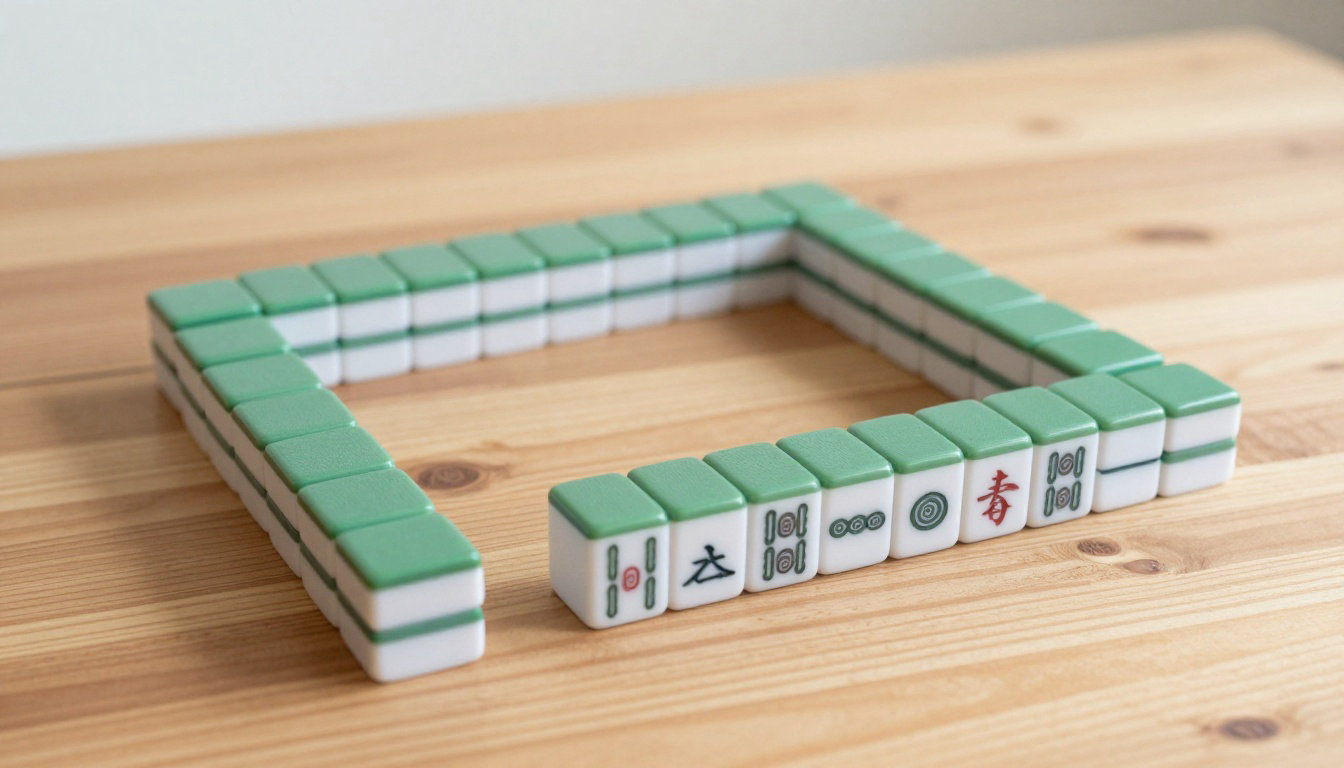
Catching the Tortoise offers a refreshing, high-speed alternative to the standard game, utilizing a compact grid for maximum tactical pressure.
Consider "Fingertip Mahjong" for your travel needs. This version is designed for small spaces. It often uses mini-tiles and simplified rules to make playing on a plane easy.
Maintain your equipment for long-term use. Always clean your tiles with a damp cloth. This maintains their shine and feel for many years of play.
Learning Chinese Mahjong with 2 players requires building 18-tile walls, managing 13-tile hands, and forming four combinations with one pair. Use durable melamine sets and racks to maintain strategic secrecy during your duel. Start your first session now to enjoy faster, intense tactical matches and perfect your winning patterns in this classic mah jongg variant.
Common questions
What equipment do I need for 2-player Mahjong?
How do we set up the table and build the walls?
How many tiles are dealt to each player?
Can I use Jokers or exchange tiles in a duo game?