Mastering American mahjong rules for two players
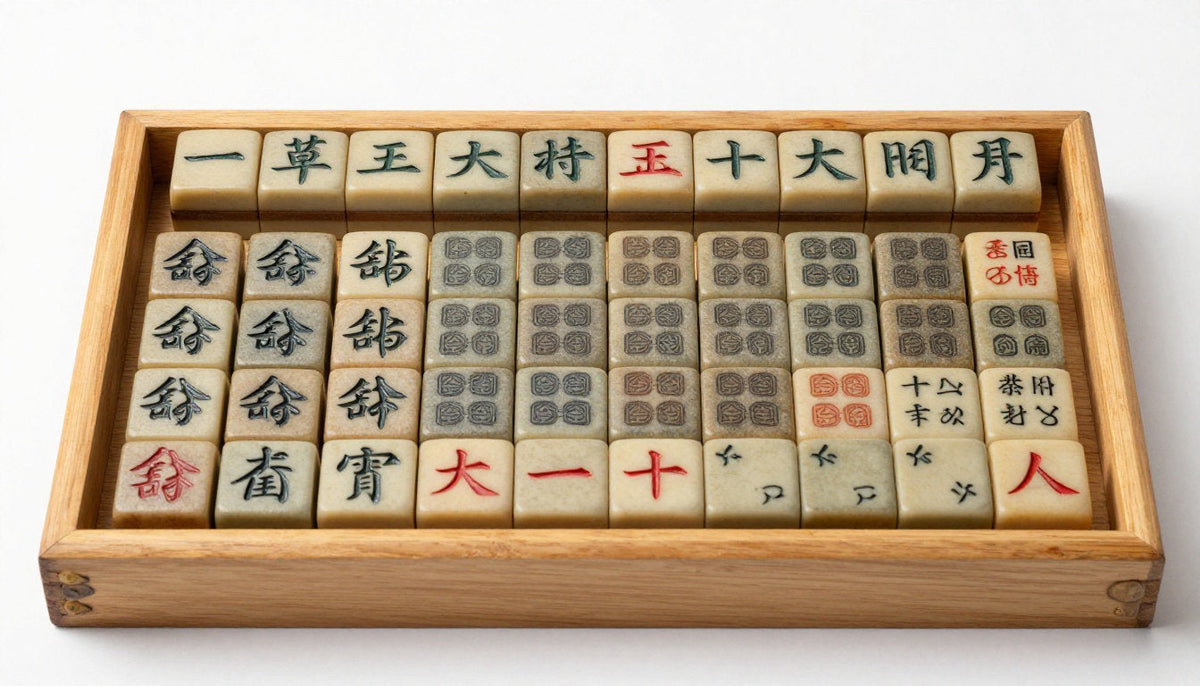
The essential to remember: Siamese Mah Jongg adapts American rules for two players by requiring two winning hands per person. This format eliminates the Charleston to accelerate gameplay and increase intensity. It provides a practical solution for smaller groups while doubling strategic complexity. Players manage 28 tiles across two separate racks to achieve a double victory.
Mastering american mahjong rules for two players often requires adapting the traditional four-player format while maintaining strategic depth. Standard American Mahjong Rules for 2 Players often omit the traditional Charleston to maintain a strategic mystery between opponents. We provide a clear guide to the Siamese variant where you must complete two separate hands on two racks to secure a victory. You will learn the necessary setup adjustments and NMJL card interpretations required for efficient head to head play.
- American Mahjong Rules for Two-Player Sessions
- Setup for Siamese Mah Jongg Games
- Drawing and Calling Tiles Effectively
- Winning Hands and Scoring Procedures
Mastering American Mahjong Rules for Two-Player Sessions
While Mahjong is traditionally a four-player social staple, the American variant offers unique flexibility for smaller groups. You can adapt the game for two players without losing its competitive edge.
NMJL Player Count Standards
Official NMJL standards prioritize a four-player setup. This configuration provides the full strategic experience intended by the league. Most formal guidelines focus on this traditional group size.
Home games differ significantly from tournament play. Casual settings allow for specific adaptations to keep the tile game functional. You can learn more about playing Mahjong with two people to adjust your sessions.
Two-player versions are common. They keep the game alive when friends are missing.
Essential Tile Set Components
You must use the 152-tile set from quality mahjong sets. This is the standard American set required for any official or casual play.
Specific physical tools are necessary for a proper setup. You will need racks to hold tiles and pushers to move the walls. Ensure you have the following:
- 152 standardized tiles
- Four racks with pushers
- Two dice
- Official NMJL card
Quality mahjong accessories help organize everything properly. Organization is key for a smooth two-player flow.
Annual Card Interpretation
The annual card is the central authority. It dictates which hands are valid for the current year of play.
The card uses color-coded suits to define hands. Players must match these specific patterns exactly to win. These are the National Mah Jongg League standards for hand construction.
Focus on pattern recognition. Beginners should study these mahjong rules and color requirements before starting the first round, especially those new to mahjong for beginners concepts.
Setup for Siamese Mah Jongg Games
Moving from a four-player table to a two-player format requires adjusting the tile management. We use the Siamese style to ensure the game remains competitive and functional with fewer participants.
Dealing and Rack Distribution
Each player receives 28 tiles during the initial deal. You must manage two separate hands simultaneously. This Siamese Mah Jongg core mechanic defines the entire two-player experience.
You will use two racks for your tiles. One rack holds your first hand. The second rack holds your second hand. Keep these hands separate and do not mix tiles between them.
The dealer possesses a slight initial advantage. They start with 29 tiles. This extra tile allows the dealer to begin the discard sequence immediately after sorting.
| Feature | Standard (4 players) | Siamese (2 players) |
|---|---|---|
| Tile Count | 13-14 tiles | 28 tiles |
| Racks per Player | 1 rack | 2 racks |
| Charleston | Mandatory | Omitted |
| Winning Condition | 1 hand | 2 hands |
Charleston Phase Omission
We skip the Charleston phase in two-player games. Passing tiles between only two people makes the exchange predictable. This omission protects the strategic mystery.
Removing this phase increases the overall game speed. Players move directly from the deal to the drawing phase. The gameplay becomes significantly faster and more intense as a result.
Hand-building depends entirely on your draws from the wall. You cannot rely on opponent passes to fix your hand. This creates a tactical shift in tile valuation compared to Chinese mahjong variants.
Skipping the Charleston isn't just a shortcut; it's a fundamental shift that demands immediate commitment to your two hands.
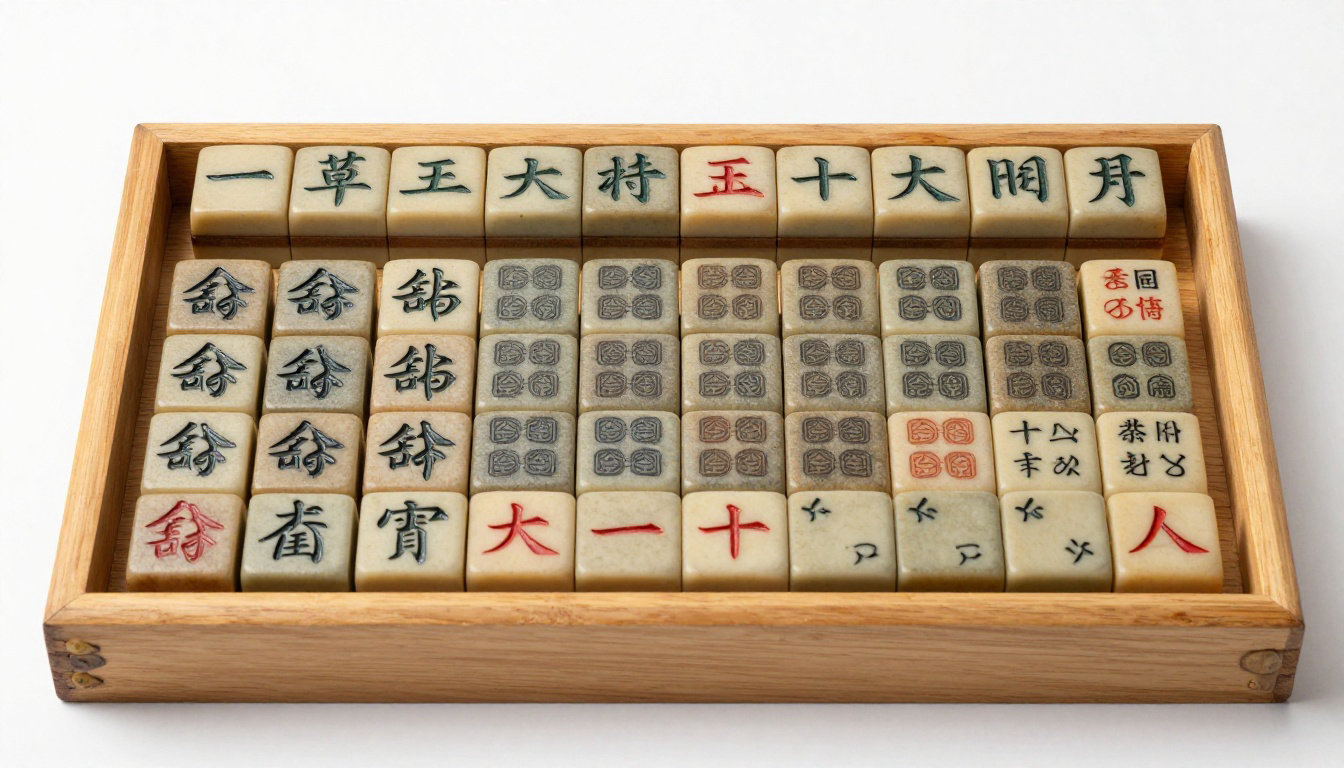
Drawing and Calling Tiles Effectively
Once the racks are set, the rhythm of the game takes over, requiring sharp focus on every discard.
Wall Drawing Sequence
Players draw from the wall in a continuous loop. This creates a back-and-forth rhythm. You must use proper etiquette when announcing your discarded tiles clearly.
Two players mean less downtime between turns. The speed of play increases significantly. You must stay alert to your opponent's discarded patterns to succeed.
Keep the flow steady. Quick announcements prevent confusion during fast-paced sessions.
Joker Swap Mechanics
You can exchange a natural tile for an exposed joker. This applies to your own racks or your opponent's. It is a critical strategy for flexibility. Follow the PRED or CEED order.
Jokers work for pungs, kongs, and quints. They are versatile substitutes. Never use them for single tiles or pairs as per the official card rules.
Swapping is a free move. It doesn't count as your draw for the turn.
Dead Hand Prevention
Calling a tile for a pair often results in a dead hand. This error immediately disqualifies your current hand from winning.
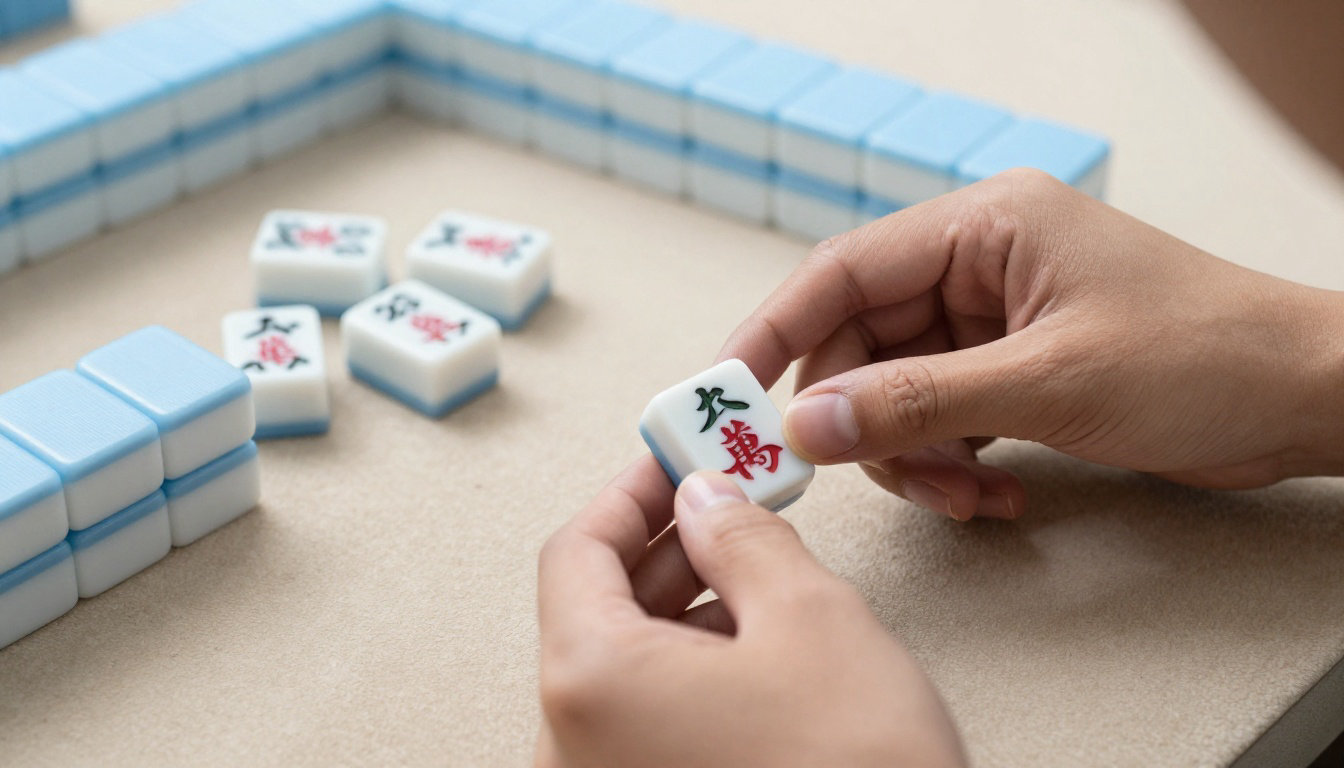
Always double-check your card before committing. An illegal move can disqualify one of your two active hands in Siamese play. Ensure your exposures match the card.
Stay calm during fast play. Rushing leads to mistakes that end your chances of winning the round.
Winning Hands and Scoring Procedures
The endgame in a two-player match is where the tension peaks, especially when balancing two potential victories.
Double Mahjong Victory
You must complete two separate hands to win. Both racks require full sets according to the NMJL card. This objective defines the Double Mahjong goal.
Declare your first hand immediately upon completion. Keep playing with your remaining tiles and the second rack. The match continues until a player finishes both hands.
Winning once is a start, but the true challenge lies in closing the second hand before your opponent catches up.
Monitor the other player. They can still overtake you. Speed is vital for the second victory.
Wall Game Resolution
A wall game occurs when the tile supply ends. No player has completed two hands yet. This results in a technical draw for the match.
Scoring follows the specific values on the NMJL card. Each hand has a designated point worth. Use these official card values to calculate your standing.
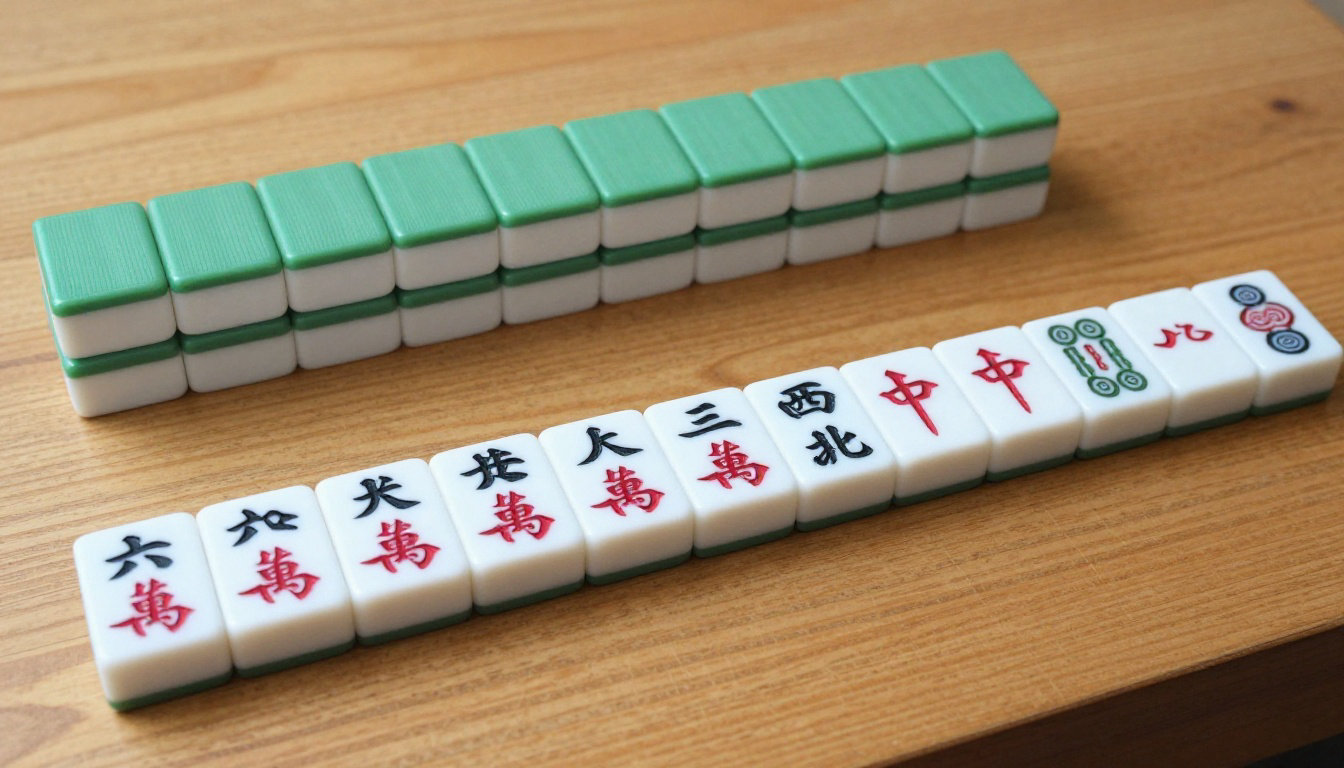
Points are awarded for a single completed hand even in draws. This maintains the competitive spirit during the session. Check your combinations against the reference card.
Reset the tiles now. Start the next round. Each game offers a new tactical challenge.
Mastering American Mahjong rules for 2 players requires adopting the Siamese method and eliminating the Charleston. You must successfully complete two distinct hands on separate racks to secure a double victory. Start your next session now to refine these tactical shifts and dominate the game.
Common questions
Can two people play American Mahjong?
What is Siamese Mah Jongg?
Is the Charleston used in two-player games?
How many tiles does each player receive?